Show Up and Speak Up: How Robertsonville Residents Can Actually Shape Their Town
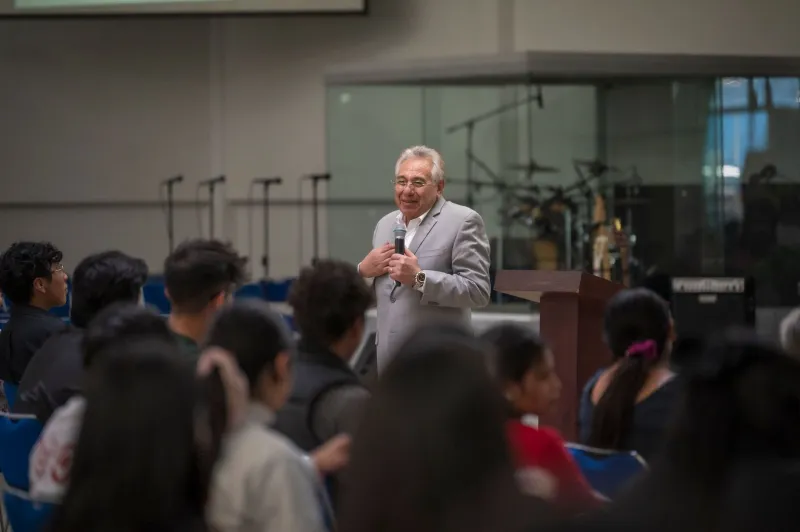
Here's something a lot of people don't fully appreciate: the decisions that affect your daily life most directly — your street's condition, what gets built next door, where the new park goes, whether that intersection finally gets a traffic light — are made at the local level. Not in Washington, not in the state capital, but right here in Robertsonville, by people who are often your neighbors, and in rooms you are absolutely allowed to walk into.
Local government is the most accessible form of democracy we have, and it's also the most underused. Meetings that could draw dozens of engaged residents sometimes see only a handful of people show up. That gap between who could participate and who does participate is something worth closing — and it's a lot easier to do than most people think.
This guide is for anyone who's ever wanted to weigh in but didn't know where to start.
Understanding How Local Government Works in Robertsonville
Before you can participate effectively, it helps to understand the basic structure. Robertsonville's local government includes a city council (or town council, depending on your municipality's specific designation), which is the primary legislative body. Council members are elected by residents and are responsible for setting policy, approving budgets, and making decisions about the direction of the community.
Below and alongside that, you'll find a range of boards, commissions, and committees that handle specific areas — zoning and land use, parks and recreation, planning, public safety, and more. Many of these bodies are made up entirely of volunteer residents appointed by the council. That means ordinary people — not just politicians or professionals — are making real decisions.
The mayor or town manager handles day-to-day administration, but the council holds the power of the purse and the vote.
City Council Meetings: What to Expect
City council meetings are typically held on a regular schedule — often twice a month — and they're open to the public. You don't need an invitation, a special pass, or any particular credentials. You just need to show up.
A typical meeting follows an agenda that's usually posted publicly in advance, often on the town's official website. The agenda covers items like budget discussions, ordinance votes, departmental updates, and approval of meeting minutes. Most meetings also include a public comment period — more on that in a moment.
Meetings can run anywhere from under an hour to several hours depending on what's on the agenda. Bring water. Bring patience. And bring your perspective, because that's genuinely what these sessions are designed to accommodate.
One practical tip: review the agenda before you go. If there's something specific you want to comment on, knowing it's on the docket helps you prepare what you want to say.
How to Use the Public Comment Period
The public comment period is your formal opportunity to address the council directly. It usually comes near the beginning of the meeting for general comments, and sometimes again when specific agenda items are being discussed.
Here's how it typically works: you sign up to speak, either in advance or when you arrive. When your name is called, you approach the microphone, state your name and address for the record, and have a set amount of time — usually two to three minutes — to say your piece.
Two to three minutes sounds short, but it's enough to make a meaningful point if you're prepared. A few guidelines for making it count:
- Be specific. "I'm concerned about traffic on Maple Avenue near the school" is more effective than "traffic is bad everywhere."
- Be respectful. Council members are more receptive to constituents who engage constructively.
- Be present. Even if you don't speak, showing up signals that residents are paying attention. That matters.
You can also submit written comments in many cases, which become part of the public record even if you can't attend in person.
Zoning and Planning Hearings: Where a Lot Gets Decided
If you want to understand where some of the most consequential local decisions are made, pay attention to the zoning board and planning commission. These bodies review applications for new developments, variances (exceptions to zoning rules), rezoning requests, and land use changes.
When a developer wants to build something in your neighborhood, or when a property owner wants to use their land in a way that doesn't currently conform to zoning rules, these hearings are where the public gets to weigh in. And that input can genuinely influence outcomes.
Hearings are noticed publicly — meaning there's a legal requirement to inform the community in advance, often through posted notices, the town website, and sometimes direct mail to nearby property owners. If you see a notice about a hearing that affects your area, that's your cue to show up or submit comments.
You don't need to be a lawyer or a land use expert to participate. You just need to articulate how the proposed change might affect you and your neighbors.
Volunteer Boards and Commissions
This is one of the most underutilized avenues for civic engagement, and honestly one of the most rewarding. Robertsonville's various boards and commissions — from the parks advisory committee to the historic preservation board to the budget review panel — are regularly looking for resident volunteers.
Serving on one of these bodies puts you inside the decision-making process, not just watching from the audience. You'll have access to information, the opportunity to ask questions, and a vote on recommendations that go to the council.
Most positions require an application and an appointment by the council, but many go unfilled simply because not enough people apply. Check the town's official website or contact the town clerk's office to find out what openings are currently available.
Other Ways to Stay Connected and Engaged
Beyond formal meetings and boards, there are plenty of other ways to stay plugged in:
- Sign up for town notifications. Most municipalities offer email or text alerts for meeting agendas, public notices, and emergency updates.
- Follow your council members. Many elected officials maintain social media accounts or newsletters where they share updates and solicit feedback.
- Connect with neighborhood associations. These grassroots groups often have direct lines to local officials and can amplify resident concerns.
- Vote in local elections. Turnout in local races is often startlingly low, which means every vote carries outsized weight.
Your Town, Your Call
Robertsonville's future isn't going to be shaped by some distant authority. It's going to be shaped by the people who live here — and specifically, by the ones who choose to show up. That could be you.
The barriers to entry are genuinely low. You don't need experience, a political background, or even a lot of free time. What you need is a willingness to engage and a stake in this community — and if you're reading this, you've already got the second part covered.
So find out when the next council meeting is. Put it on your calendar. Show up. And say something.
Robertsonville Portal will continue to cover local government meetings and civic opportunities. Bookmark our site and check back regularly for meeting schedules, public hearing notices, and updates from your local elected officials.