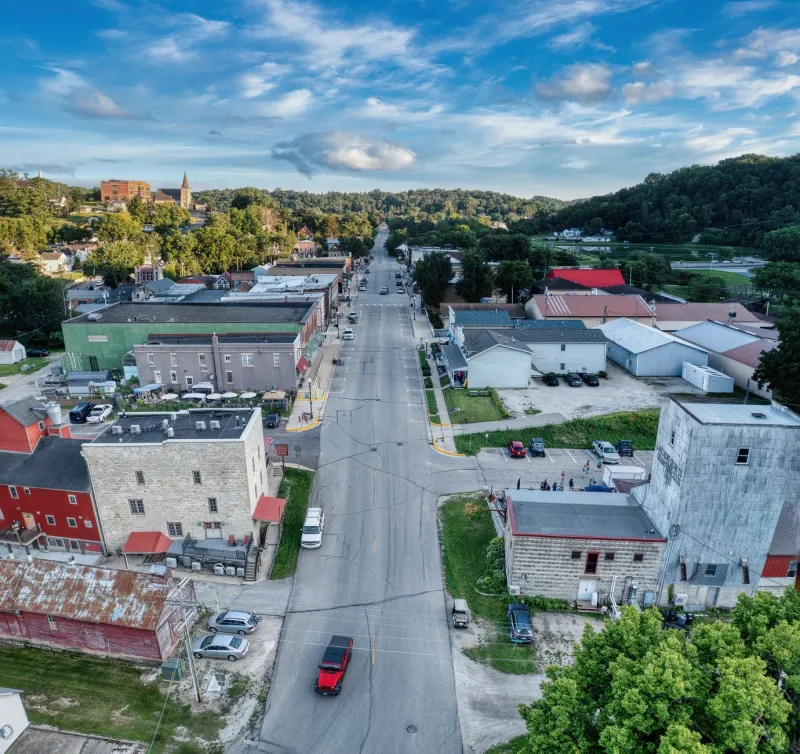
When the Town Needed Them Most: How Robertsonville's Essential Workers Rewrote the Rulebook
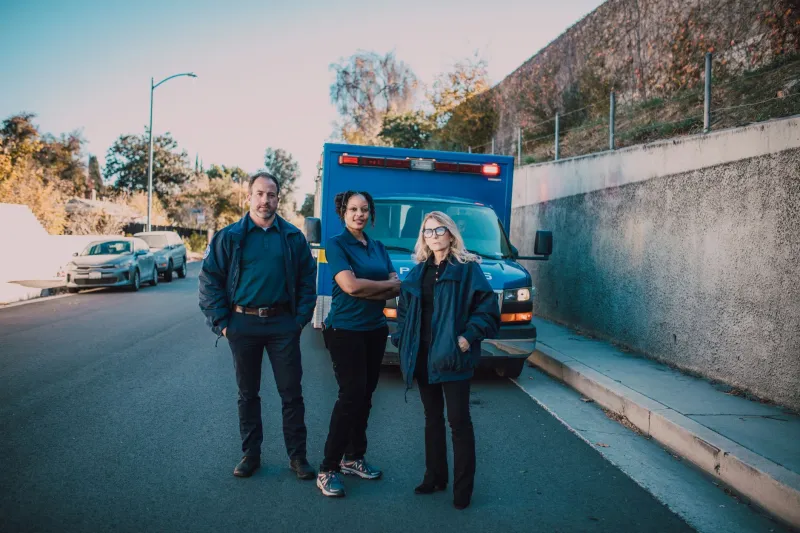
There's a particular kind of pressure that comes with being the person everyone depends on when the world stops making sense. In Robertsonville, that pressure landed squarely on the shoulders of grocery store managers juggling empty shelves, paramedics suiting up in gear they'd never worn before, utility workers keeping the lights on through chaos, and clinic staff who had to reinvent patient care practically overnight.
Looking back now, it's easy to gloss over just how wild those years actually were. But the people who lived it — who worked it — haven't forgotten. And the ways they adapted have left a permanent mark on how this town operates.
The Grocery Store That Became a Lifeline
Ask anyone who worked at a local grocery store during the worst of it, and they'll tell you the same thing: nothing in their training prepared them for what they walked into.
"We were making decisions by the hour," said one longtime manager at a Robertsonville grocery that's been serving the community for over two decades. "One day we're figuring out how to limit how many people can come in at once, the next we're trying to figure out curbside pickup with zero infrastructure for it."
Curbside pickup, it turned out, was just the beginning. Stores that had never thought twice about their floor layouts suddenly had to map out one-way aisles, install plexiglass barriers, and train staff on protocols that changed week to week. Some of those changes — like dedicated shopping hours for elderly residents — stuck around long after they were technically required, because the community responded so positively.
"Our older customers told us it was the first time they'd felt genuinely looked after in a long time," the manager added. "We weren't going to take that away."
Healthcare Providers: Building the Plane While Flying It
If grocery stores had it rough, local healthcare providers were operating in a different atmosphere entirely. Robertsonville's clinics and urgent care facilities faced a dual challenge: keeping their doors open for regular patients while simultaneously bracing for an unknown surge of people who were scared, sick, and looking for answers.
Telehealth — which had existed in theory for years but had barely taken root locally — suddenly became essential. Providers who had been skeptical of virtual appointments found themselves conducting dozens of them a day.
"I'll be honest, I thought telehealth was kind of a gimmick before all of this," one local family physician told us. "Now I use it every single week. It's genuinely changed how I can serve patients who have transportation issues or who just can't take time off work."
The pivot wasn't painless. Staff had to learn new platforms, patients had to be walked through technology they weren't always comfortable with, and billing systems had to be updated to accommodate the shift. But the groundwork laid during those years has since made Robertsonville's healthcare access more flexible than it's ever been.
Utility Crews: The Unsung Backbone
While a lot of the public attention during the crisis years went to visible frontline workers, the people keeping water running and electricity flowing were doing their own version of crisis management — mostly out of sight.
Utility crews in Robertsonville had to balance the very real risk of reduced staffing (due to illness and quarantine requirements) against the non-negotiable need to keep services running. Crews were restructured into smaller, isolated teams to prevent entire departments from going offline at once. Remote monitoring systems were fast-tracked. Paperwork that once required in-person signatures moved online.
"We couldn't afford a single point of failure," explained one operations supervisor from a local utility provider. "So we started treating every crew like it was its own independent unit. If one group had to isolate, the others could keep going."
That decentralized approach has since been formalized into standard operating procedure — a quiet but significant shift that makes the town's infrastructure more resilient than it was before.
First Responders: Adapting in Real Time
For Robertsonville's emergency services, the crisis brought a challenge that was as psychological as it was logistical. Firefighters and paramedics are trained to run toward danger, but when the danger is invisible and potentially carried by the very people they're trying to help, that instinct gets complicated fast.
PPE protocols, decontamination procedures, and new dispatch screening questions became part of daily life almost immediately. Mental health resources — historically an afterthought in many first responder cultures — started getting taken more seriously.
"We lost some people to burnout during those years. Good people," said a Robertsonville Fire Department veteran who's been with the department for nearly fifteen years. "That woke us up. We started actually talking about how people were doing, not just checking boxes."
The department now has a peer support program that didn't exist before — a direct result of watching colleagues struggle and deciding to do something about it.
What Robertsonville Carried Forward
Every organization that made it through the crisis years came out the other side changed in some way. Some changes were operational — new technology, new protocols, new structures. Others were cultural — a sharper awareness of community interdependence, a greater respect for the workers who show up no matter what.
What's striking, talking to people across these different sectors, is how many of them describe the experience not just as survival, but as a kind of forced clarity. The things that mattered became obvious. The things that didn't fell away.
For residents, the lesson might be simpler: the people keeping this town running deserve more than a hashtag. They deserve a town that remembers what they did — and keeps showing up for them the way they showed up for everyone else.
If you've got a story about how Robertsonville's essential services impacted your life during the crisis years, we'd love to hear it. Drop us a line through the portal, or share it in the comments below.